
A Modernist Retreat Beneath the Oaks
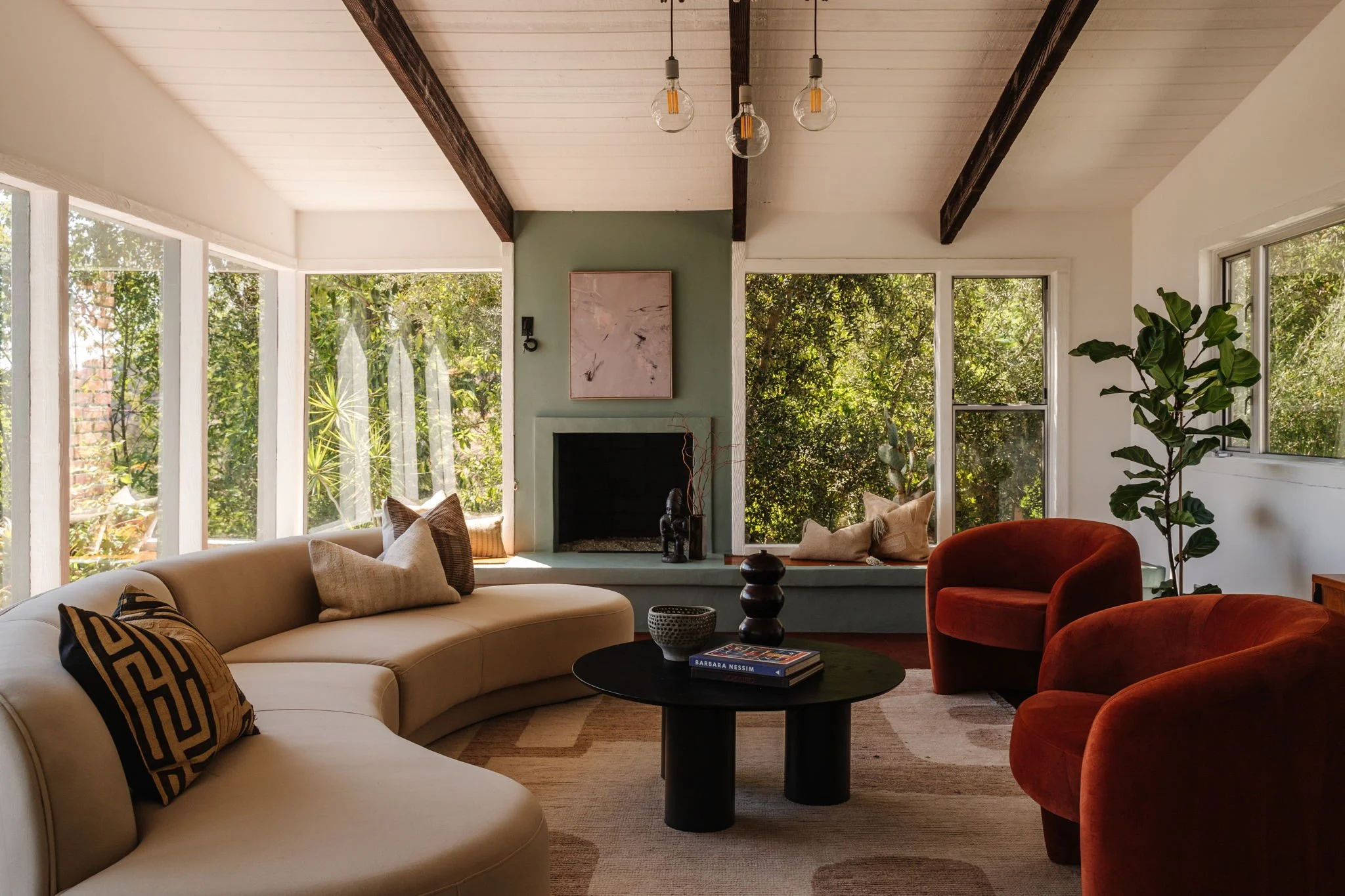
Tucked just off the historic corridor of Mulholland Drive, this beautifully preserved architectural residence is a wonderful expression of the drama, creativity, and indoor-outdoor spirit of period California modernism. Designed by architect Robert S. Wilkerson, AIA, and completed in 1972, the home feels both distinctly of its era and remarkably relevant today. Not surprisingly, its owners also boast creative careers.
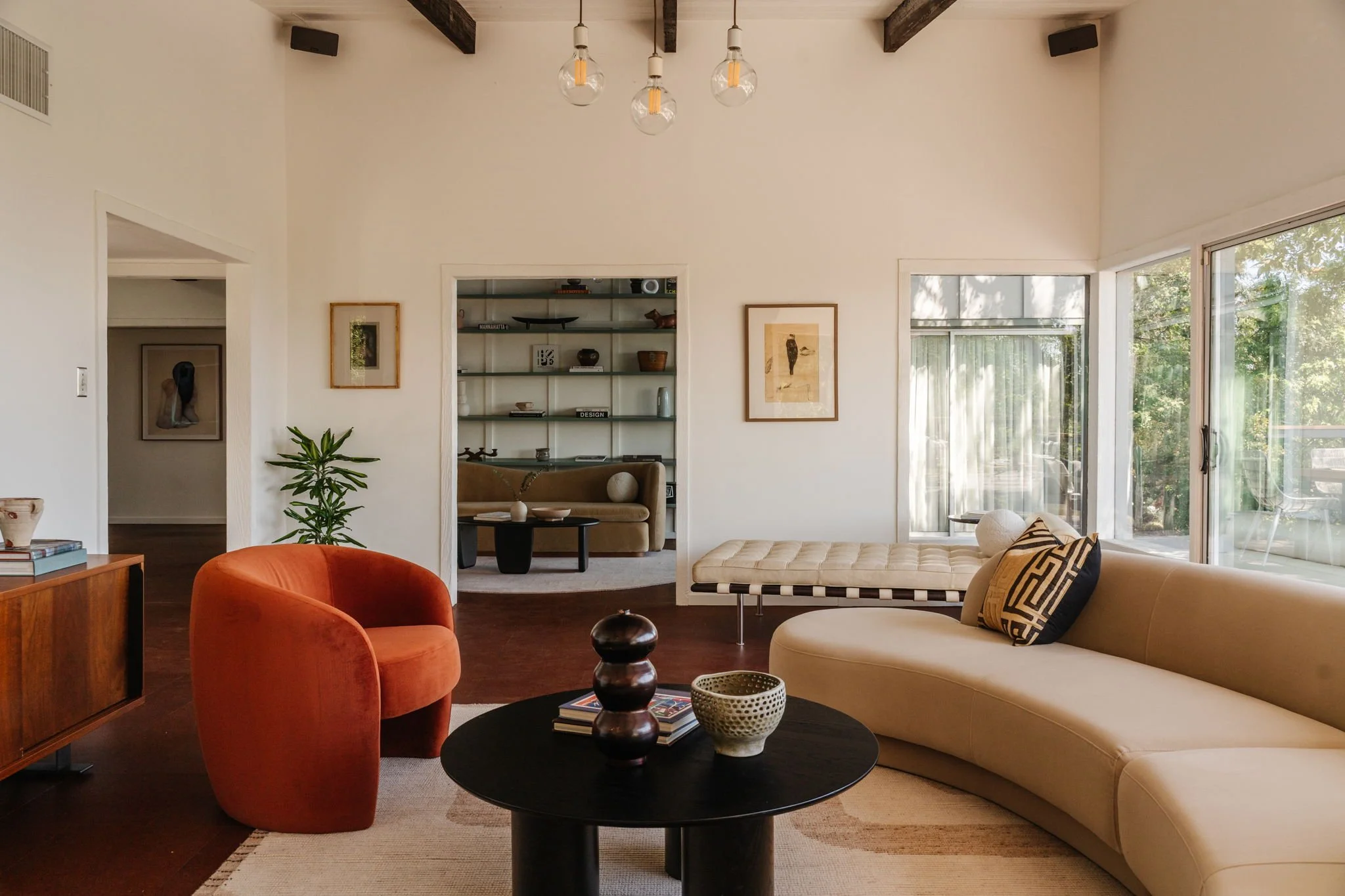
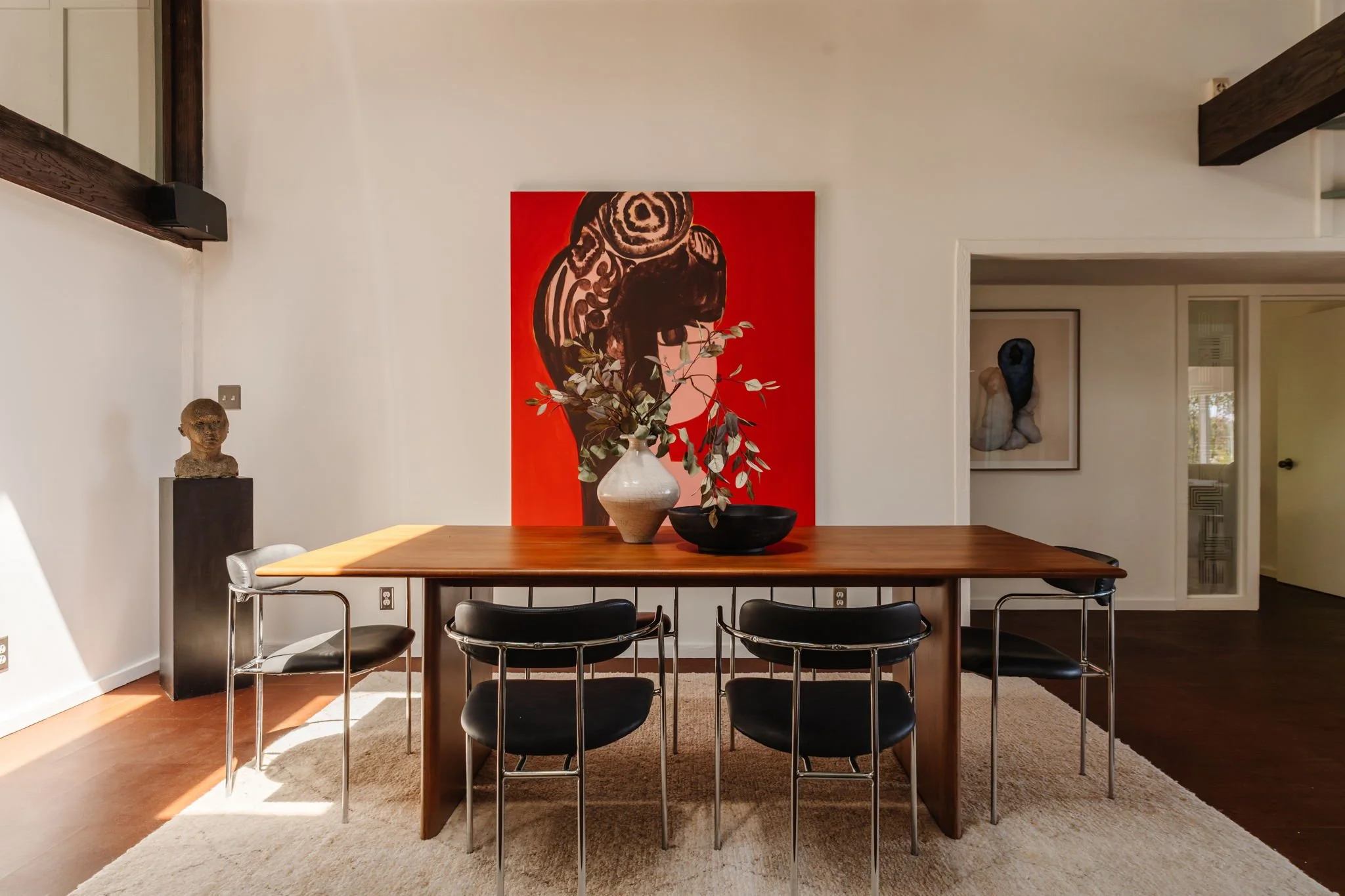
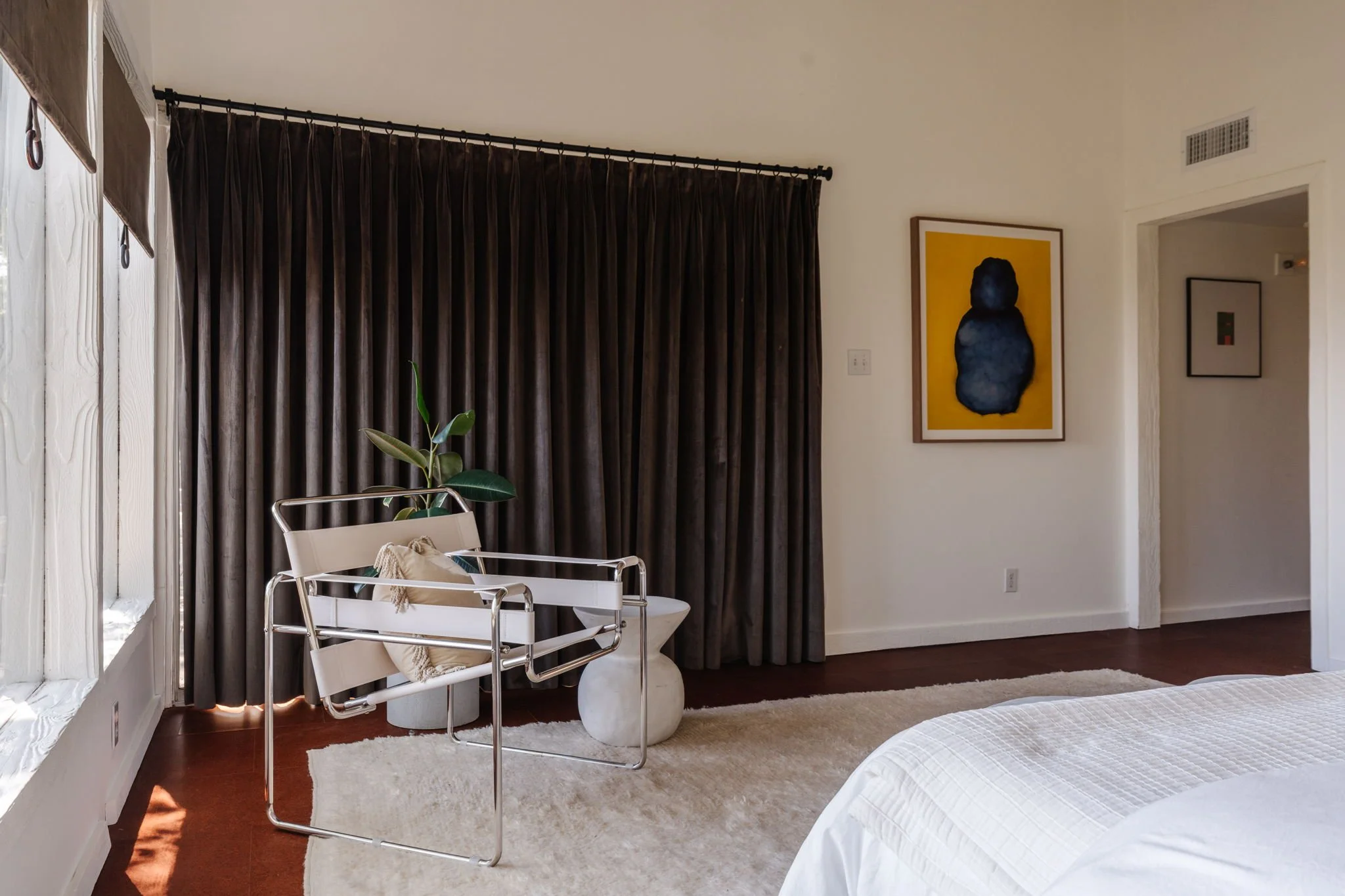
Polly Borland, an acclaimed Australian multimedia artist and photographer known for her stylized portraiture and fine art photography, owns the home with her husband, John Hillcoat, a prominent film director and screenwriter recognized for directing cinematic works such as The Road, Lawless, and The Proposition. Borland’s art appears on the walls of the home, loaned to the staging.
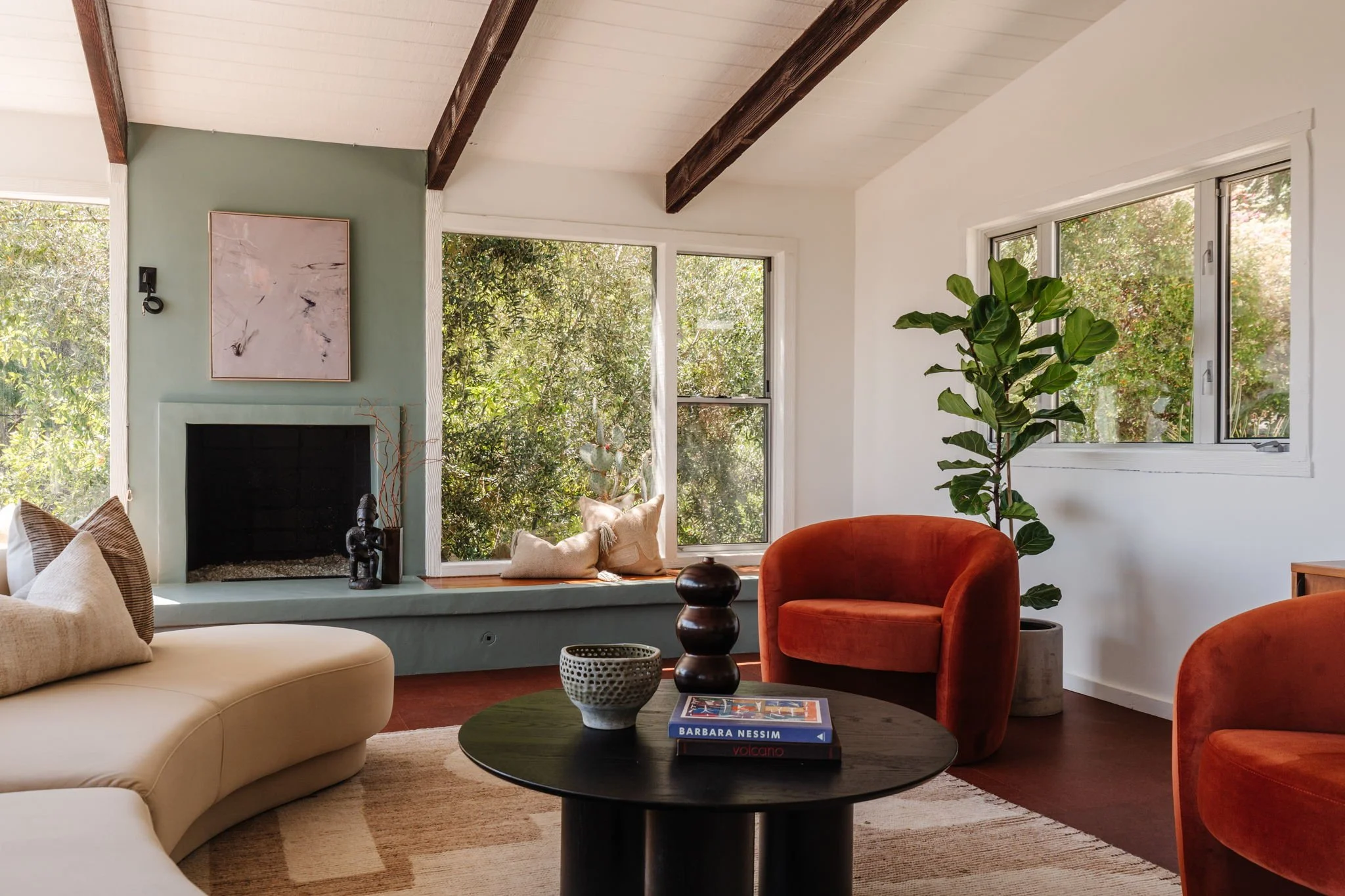
In the living room, a softly curved cream sectional creates an inviting conversation area without interrupting the room's long sightlines. Rust-colored lounge chairs add a warm, earthy note, while a simple black coffee table grounds the seating arrangement. A walnut credenza brings another layer of period-appropriate warmth, and the restrained artwork and accessories allow the fireplace, beams, and surrounding landscape to remain the stars.
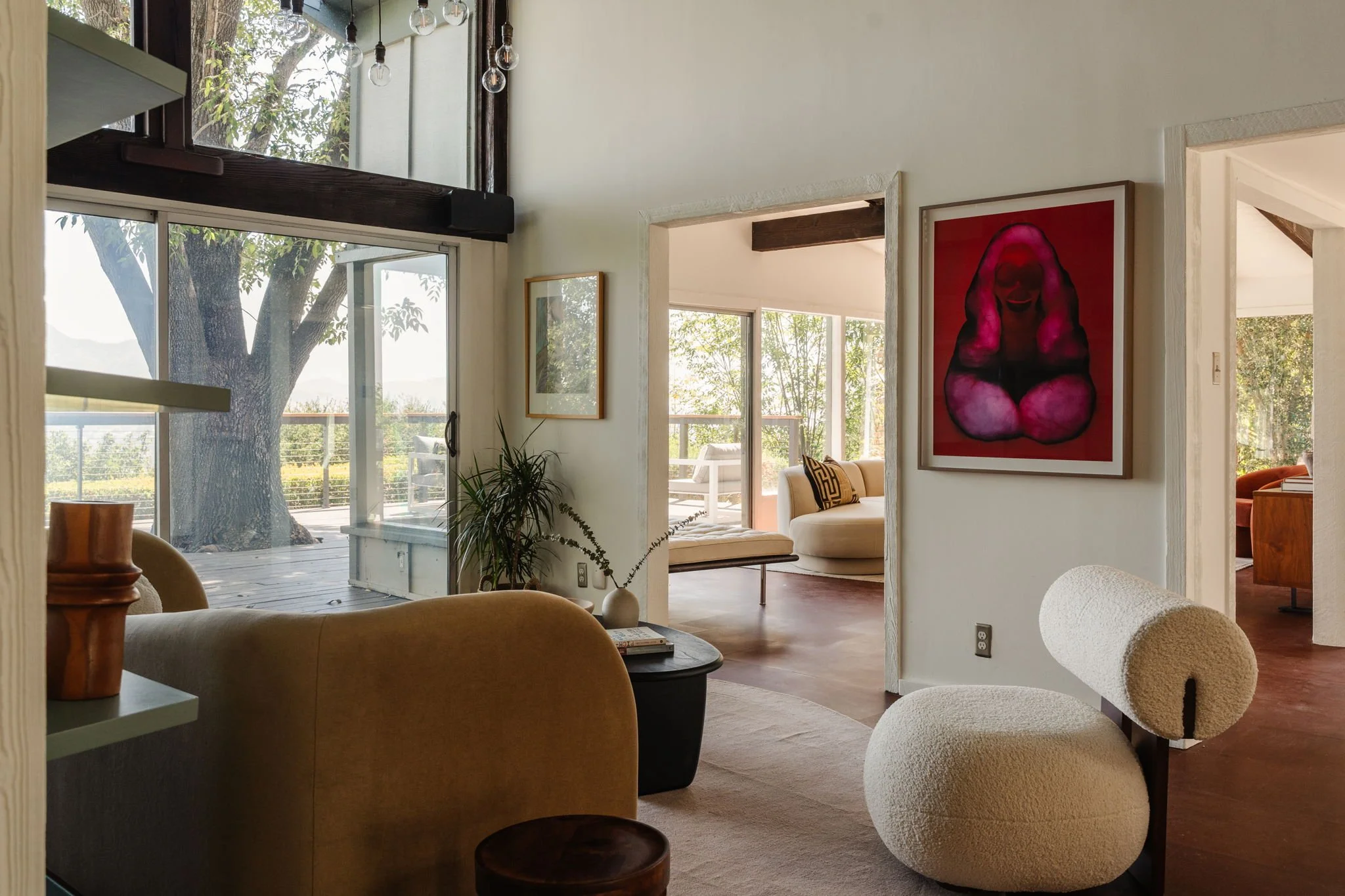
The home features walls of glass that bring the surrounding landscape into nearly every room, while natural light moves across warm wood, white surfaces, and beautifully preserved architectural details. The living room is particularly striking, with its dramatic fireplace, period built-in bench seating, exposed beams, and expansive connection to the greenery beyond. It is the kind of room that doesn't need much to make an impression.
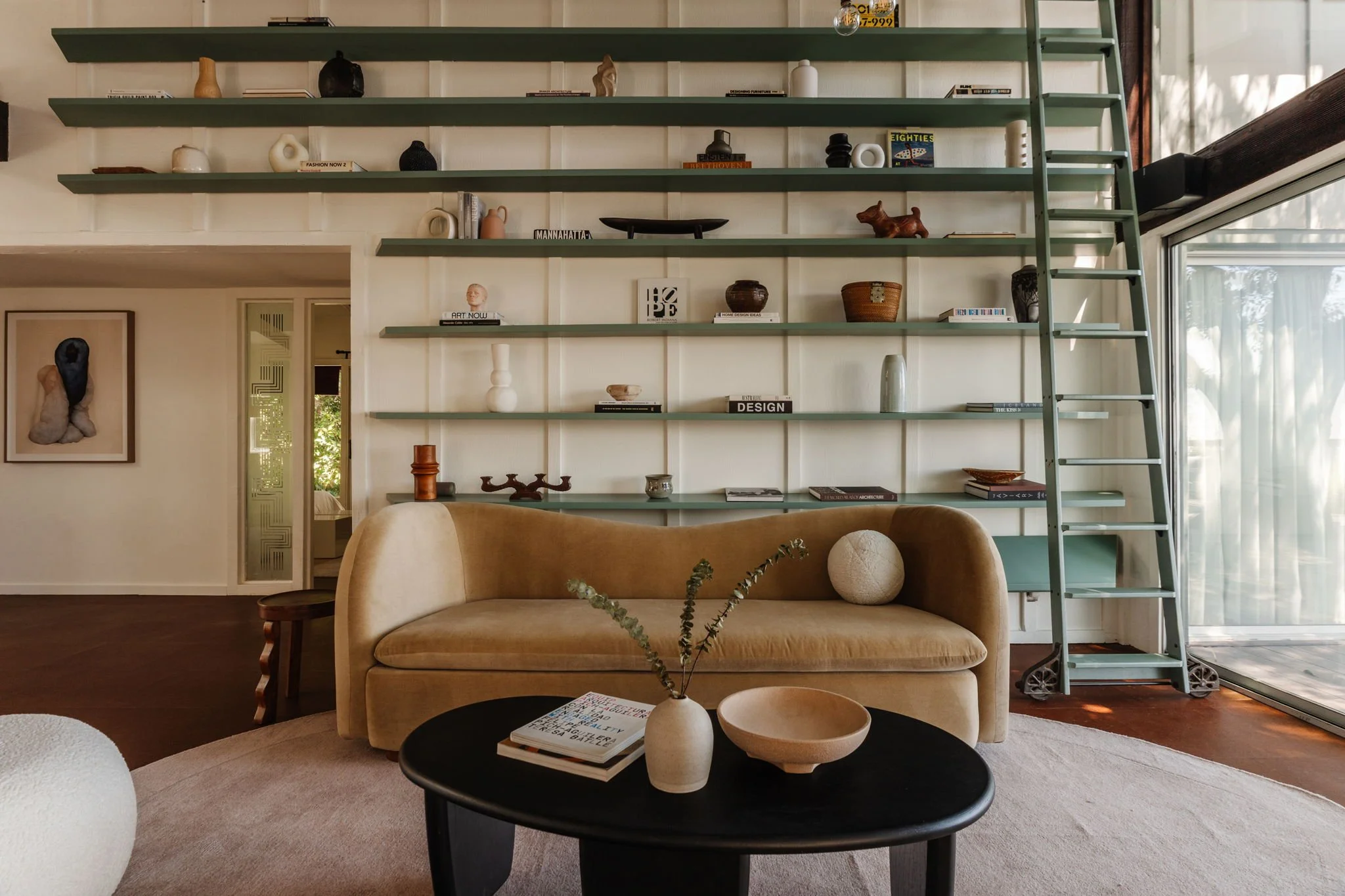
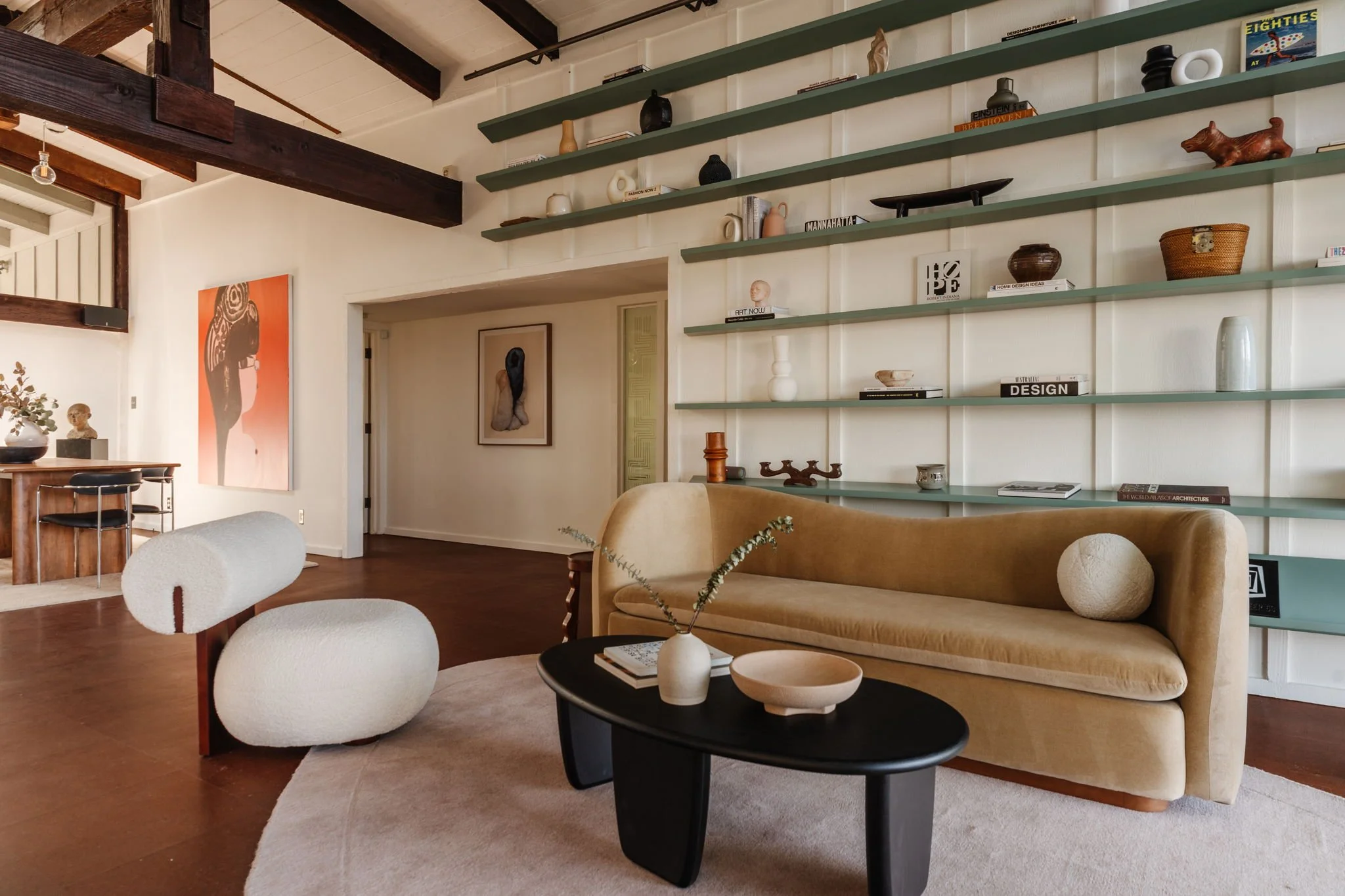
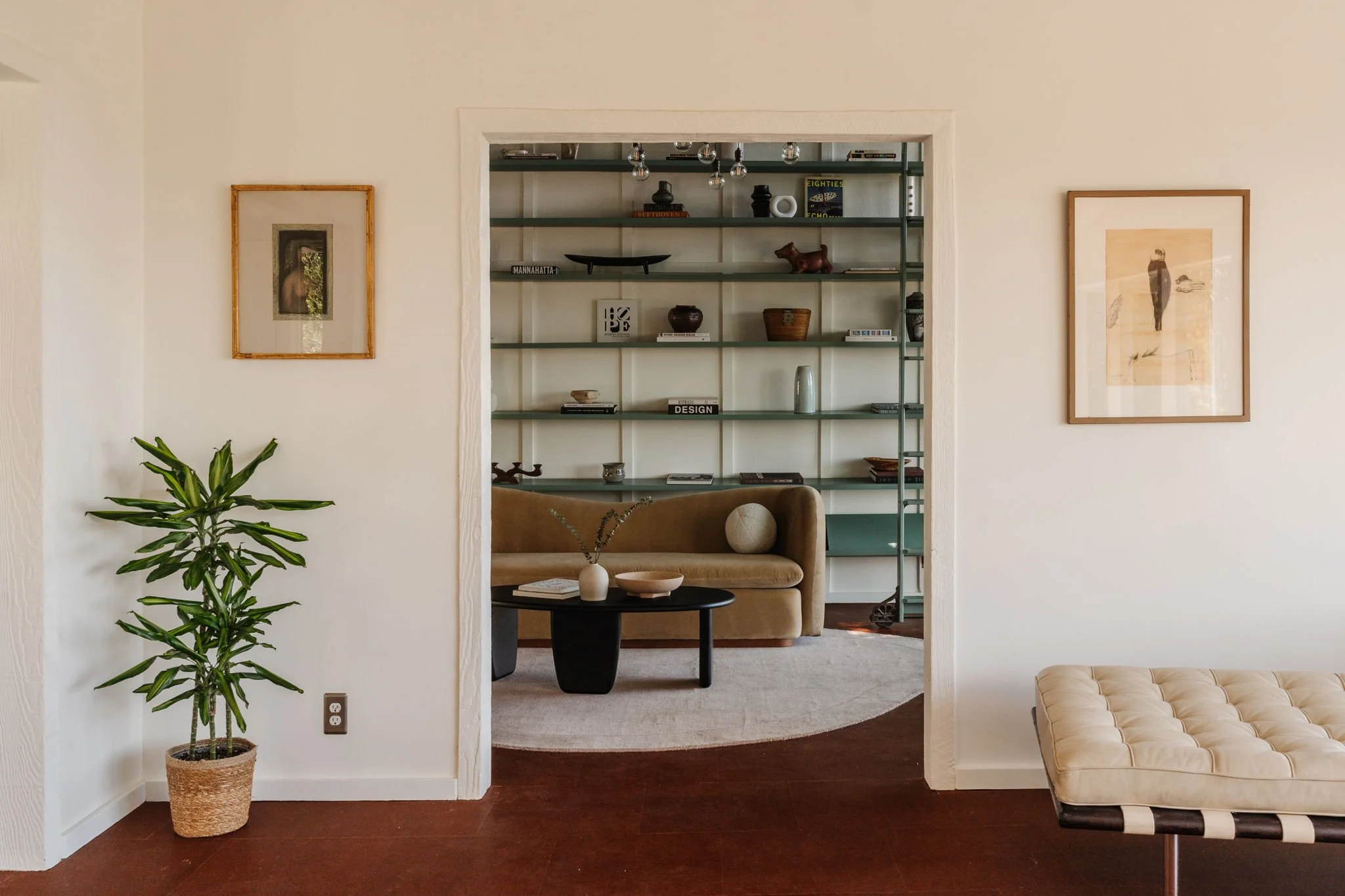
The family room takes a slightly more playful approach. A caramel-toned curved sofa sits comfortably against the home's expansive built-in shelving, while a collection of books, ceramics, sculptural objects, and vintage-inspired pieces gives the shelves a collected, lived-in quality. Rather than filling every inch, we used negative space intentionally — letting the architecture and the individual objects breathe.
For Mad Mod Home, that was the fun part.
Our approach to staging this home was all about complementing the architecture rather than competing with it. We leaned into the vocabulary of California modernism — sculptural silhouettes, warm woods, organic textures, and a carefully edited palette — while introducing a few contemporary pieces to keep the rooms feeling fresh and inviting.
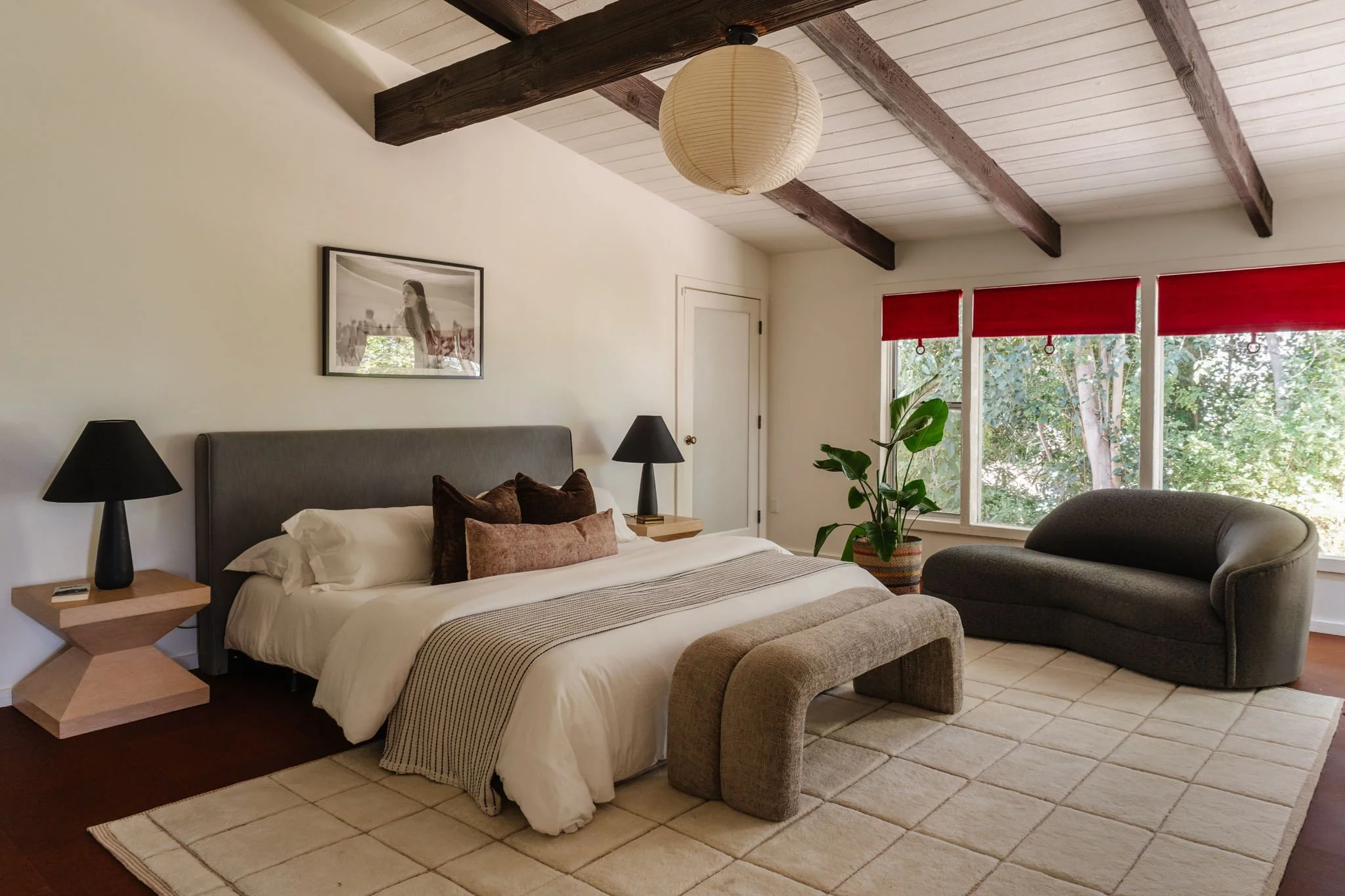
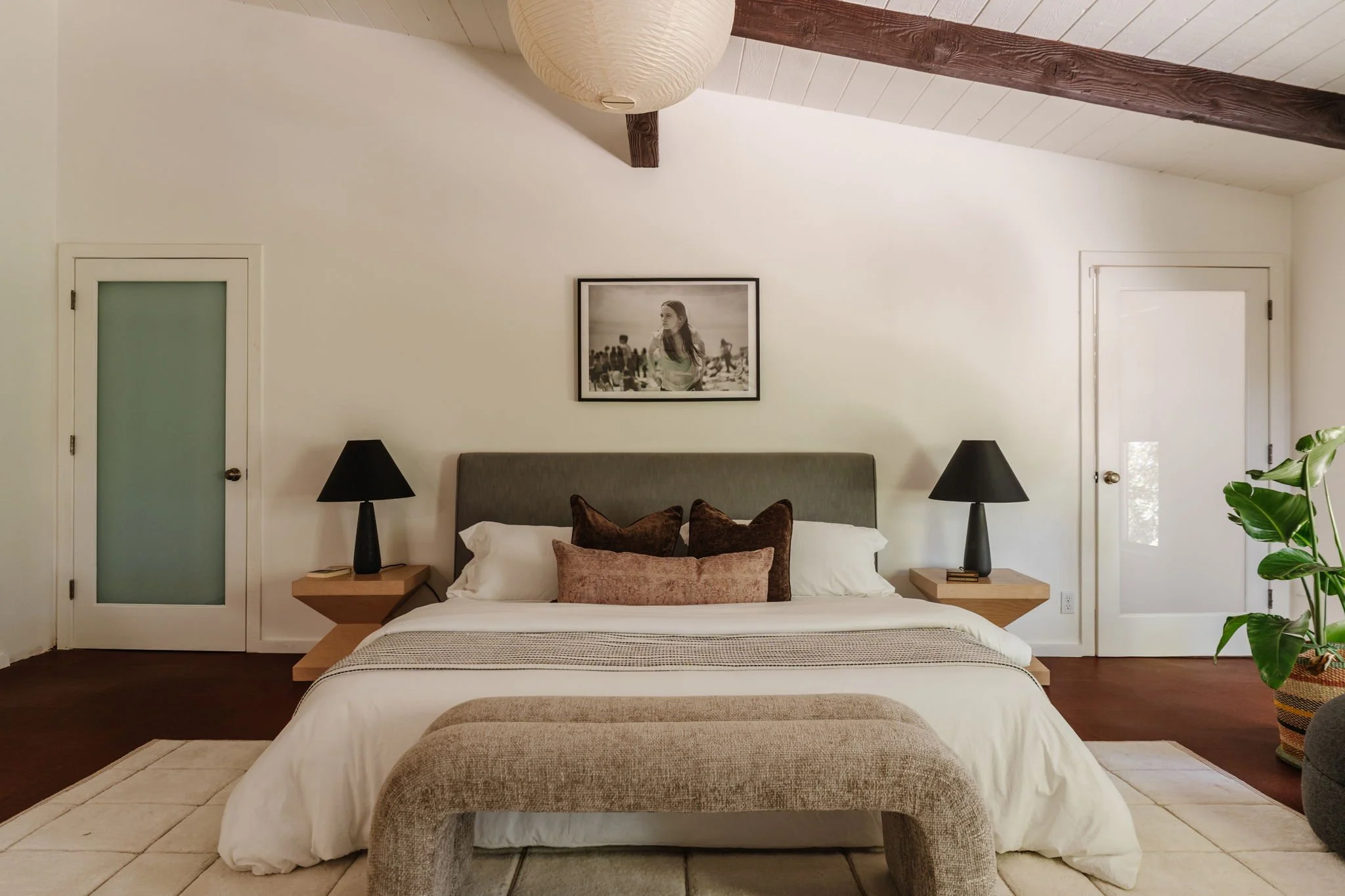
That's one of the things we love most about staging modernist homes: editing becomes just as important as adding.
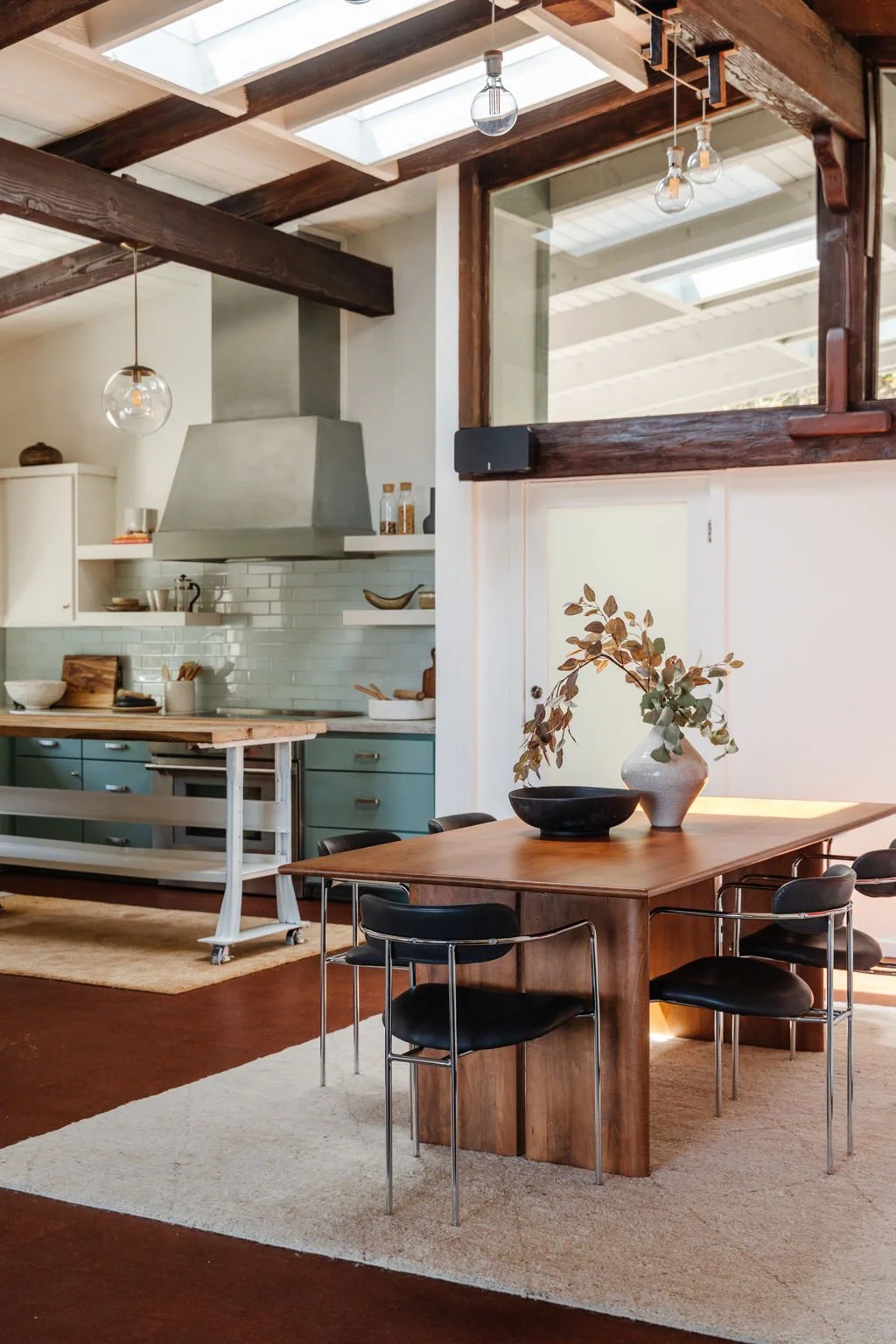
The right furnishings can help a buyer understand the scale of a room, imagine how it functions, and appreciate the relationship between the interior and exterior. But in a home with this much architectural personality, restraint is essential. The goal isn't to recreate 1972. It's to create a bridge between the original design and the way someone might want to live in it today.
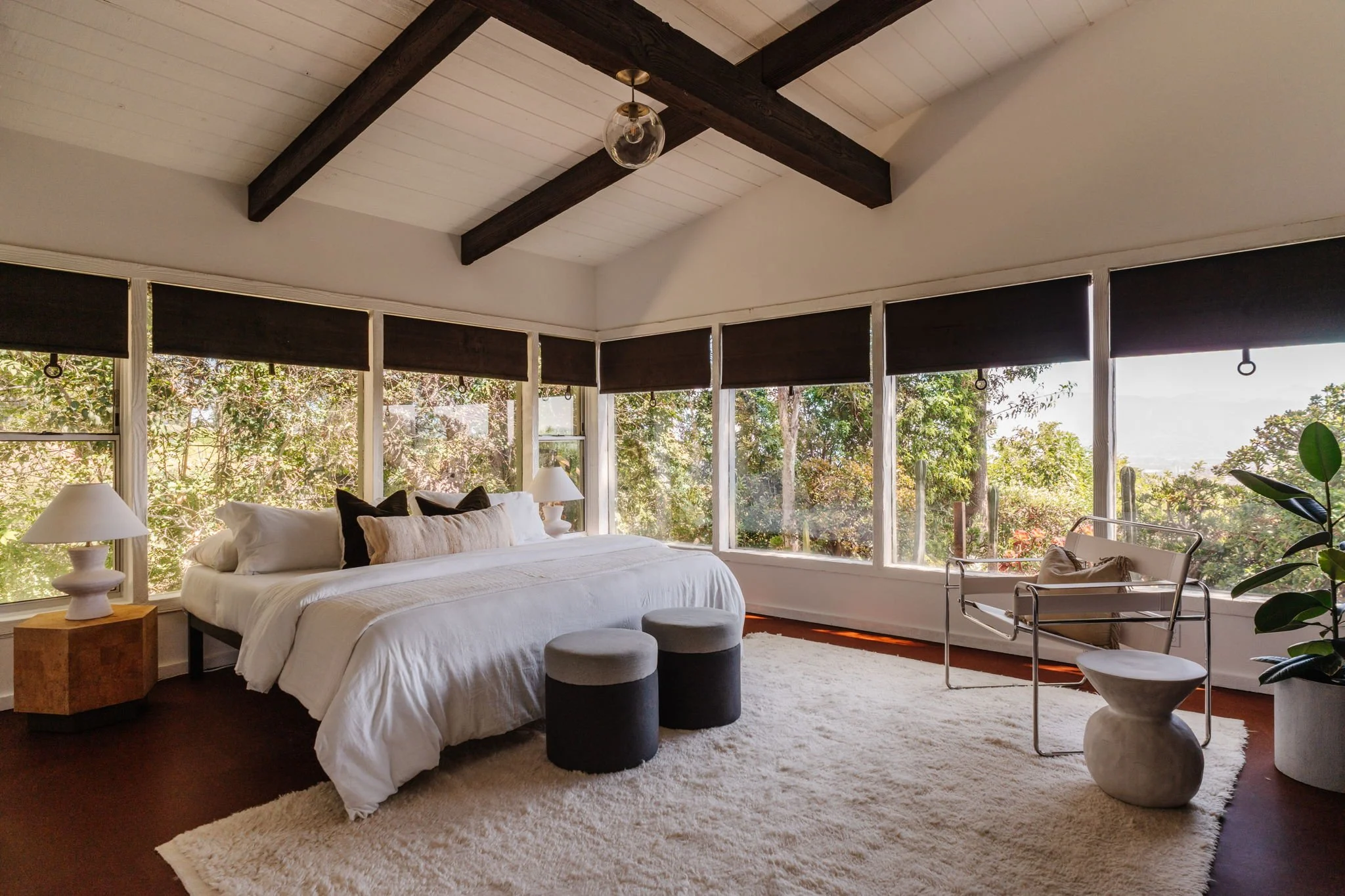
But people also move to Mulholland Drive to enjoy expansive views.
With nature surrounding the home on every side, the relationship between architecture and landscape is impossible to miss. This is California modernism at its most cinematic — architecture designed not simply to contain a life, but to frame it.
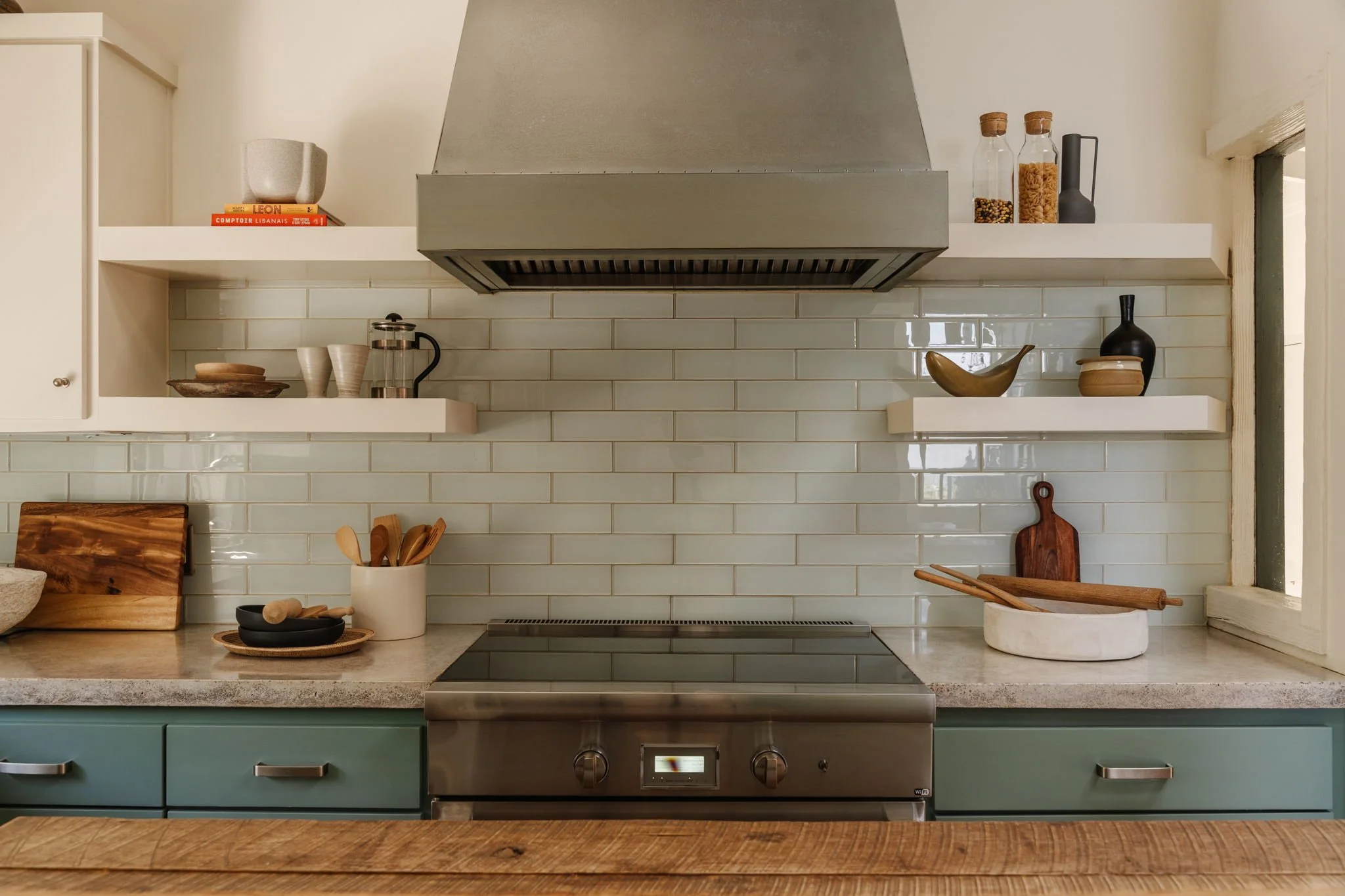
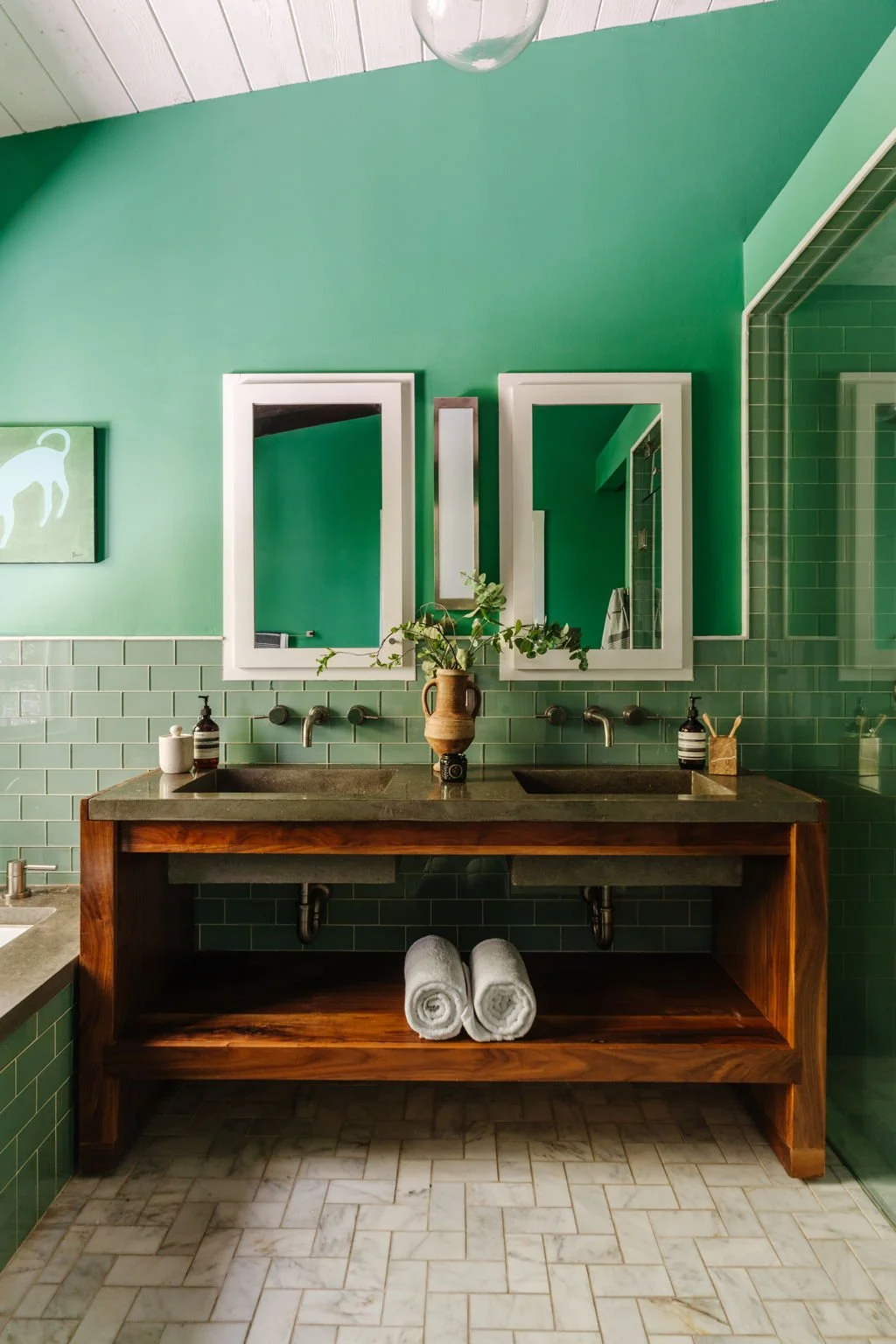
Warm walnut, creamy upholstery, terracotta, black accents, sculptural forms, and plenty of texture create a palette that feels naturally at home against the surrounding landscape. Curved furniture softens the strong architectural lines, while greenery and organic materials echo the mature trees just beyond the glass.
For us, the best staging doesn't disguise a home's personality. It turns up the volume on what is already there. This Mulholland-area retreat didn't need to be reinvented. It needed to be thoughtfully furnished, carefully edited, and given room to shine.
And we were very happy to let the architecture take center stage.